
Benefits of Winter Mulching
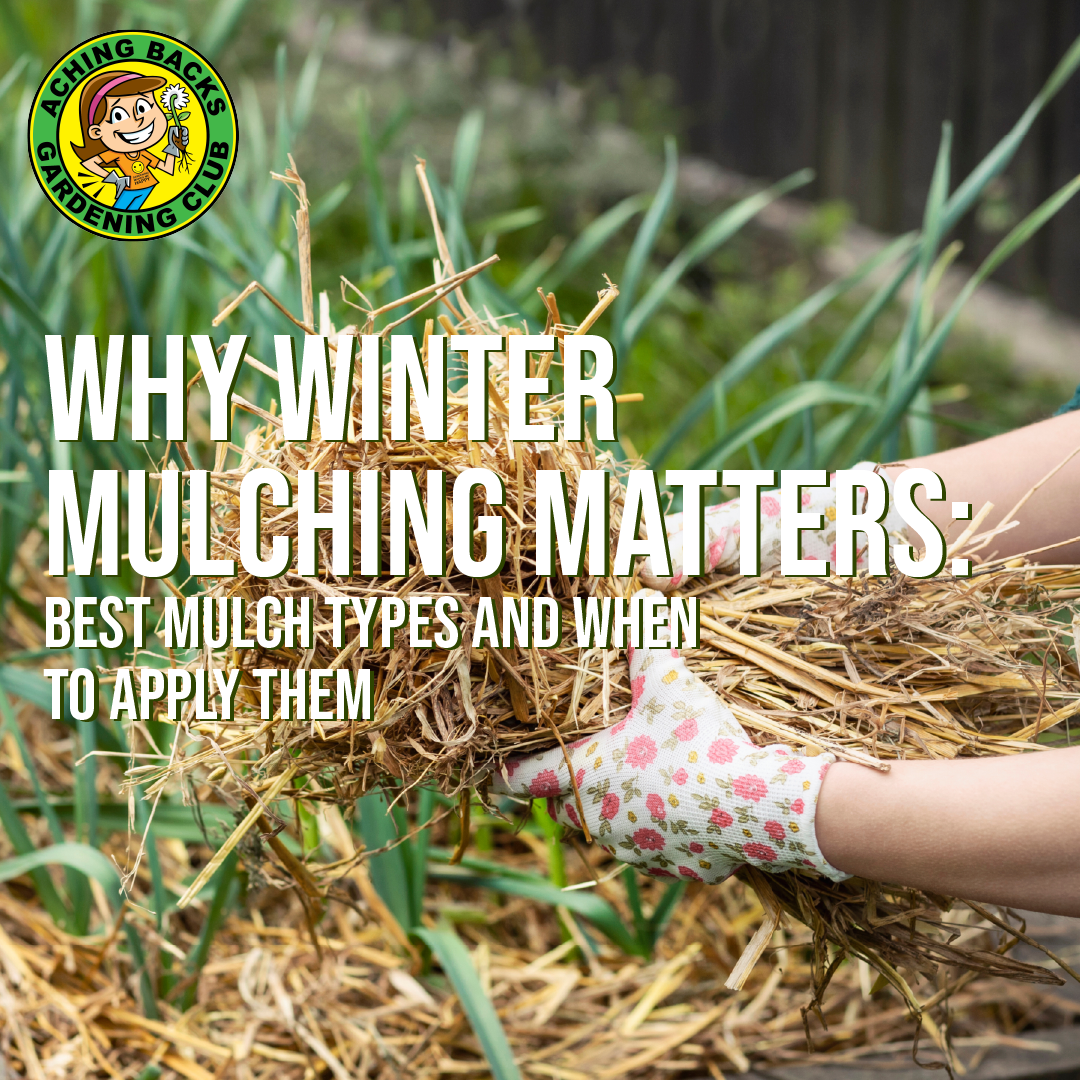
Mulching is a gardener’s best friend. It may not be the most exciting job, but it makes a huge difference in your garden all year long. Below are the benefits of winter mulching and the types of mulch that work best during the colder months.
The History of Mulch
Mulch is any type of organic material placed on the surface of the soil. It helps control weeds, insulate soil temperatures, build fertility, and retain moisture.
Mulch use expanded in the mid-1960s, when lumber mills generated excess bark from a booming housing industry. Grinding this bark into fine mulch became an easy landscaping solution for new homes and commercial spaces.
Thirty years later, rising landfill costs led to bans on dumping logs, branches, leaves, and grass clippings. More wood waste was chipped into mulch, and homeowners began using it widely in their gardens.
Today’s bagged mulch often contains a blend of ground stumps, green waste, and land-clearing debris. Some low-quality bags may even include non-organic materials like fabric scraps, plastic pieces, gravel, or stones.
What Kind of Mulch Should I Use?
The best mulch depends on where you’re using it. Common garden-friendly mulches include:
- Grass clippings
- Straw
- Hay
- Wood chips
- Leaves
- Sawdust
- Manure
- Pine needles
Below are details on how each works.

Grass Clippings
Grass clippings are especially useful in vegetable gardens. When composted with manure, they add nitrogen to the soil. They also increase moisture retention and gently warm the soil. The key is applying them in thin layers to prevent matting.

Leaves
Leaves are one of the easiest, free mulches available. Chop them with a lawn mower so they don’t blow away. Leaf mulch helps:
- Suppress weeds
- Retain soil moisture
- Improve soil structure
- Prevent erosion
Shredded leaves are also excellent for overwintering perennials.
Wood Chips
Wood chips are effective in pathways, around trees, and in perennial beds. If you use them in a vegetable garden, make sure they are natural, untreated, and undyed. Wood chips suppress weeds and discourage rodents.
(Accuracy note: Wood chips do not significantly acidify soil and can be used safely when applied on top of the soil—not mixed in.)
Straw
Straw is a popular mulch for fruits and vegetables. It’s lightweight, so apply a 3–6 inch layer to prevent it from blowing away. Many gardeners place straw over potato beds to help with harvest. Always ensure straw has not been treated with chemicals.

Pine Needles
Pine needles provide excellent drainage and stay in place well. They are often said to acidify soil, but research shows they are only mildly acidic and have minimal impact on soil pH once decomposed. Still, they are often used around acid-loving plants.
Sawdust
Sawdust adds organic matter and suppresses weeds, but it must be used sparingly. Thick layers can compact and restrict airflow. Make sure the sawdust is from untreated wood.
When Should You Mulch in Winter?
Winter mulching protects and enriches the soil, but timing matters.
Before a Hard Freeze
Applying mulch in fall before a freeze helps:
- Extend the growing season
- Protect plant roots
- Buffer early frost
This method is especially helpful around annual vegetables and tender plants.
After a Hard Freeze
For perennials, mulching is often best after the first hard freeze. Freezing temperatures push plants into dormancy, and mulch stabilizes soil temperatures to prevent freeze-thaw cycles that can heave plants out of the ground.
Mulching at this time also improves soil quality for spring.
Other Winter Mulching Tips
- Apply 2–3 inches of mulch for most areas.
- Avoid burying crown plants like bee balm or yarrow, which prefer shallower layers.
- Apply grass clippings only in thin, airy layers.
Lasagna Mulching (No-Till Gardening)
This technique layers brown materials (leaves, straw) with green materials (grass clippings, fresh plant matter) to decompose naturally in place. Sometimes called no-till gardening, this method:
- Prevents soil erosion
- Builds soil fertility
- Reduces disturbance to beneficial microorganisms
- Supports better moisture retention and drainage
Lasagna mulching works for both vegetable and flower gardens and is ideal for improving compacted soil.
The Bottom Line
Winter mulching prevents erosion, protects perennial roots, and enriches the soil. Materials like leaves, pine needles, and grass clippings are easy to find, require little effort, and offer big benefits. With consistent mulching, you’ll see healthier soil, stronger plants, and a more vibrant garden year-round.

Leave a Reply