
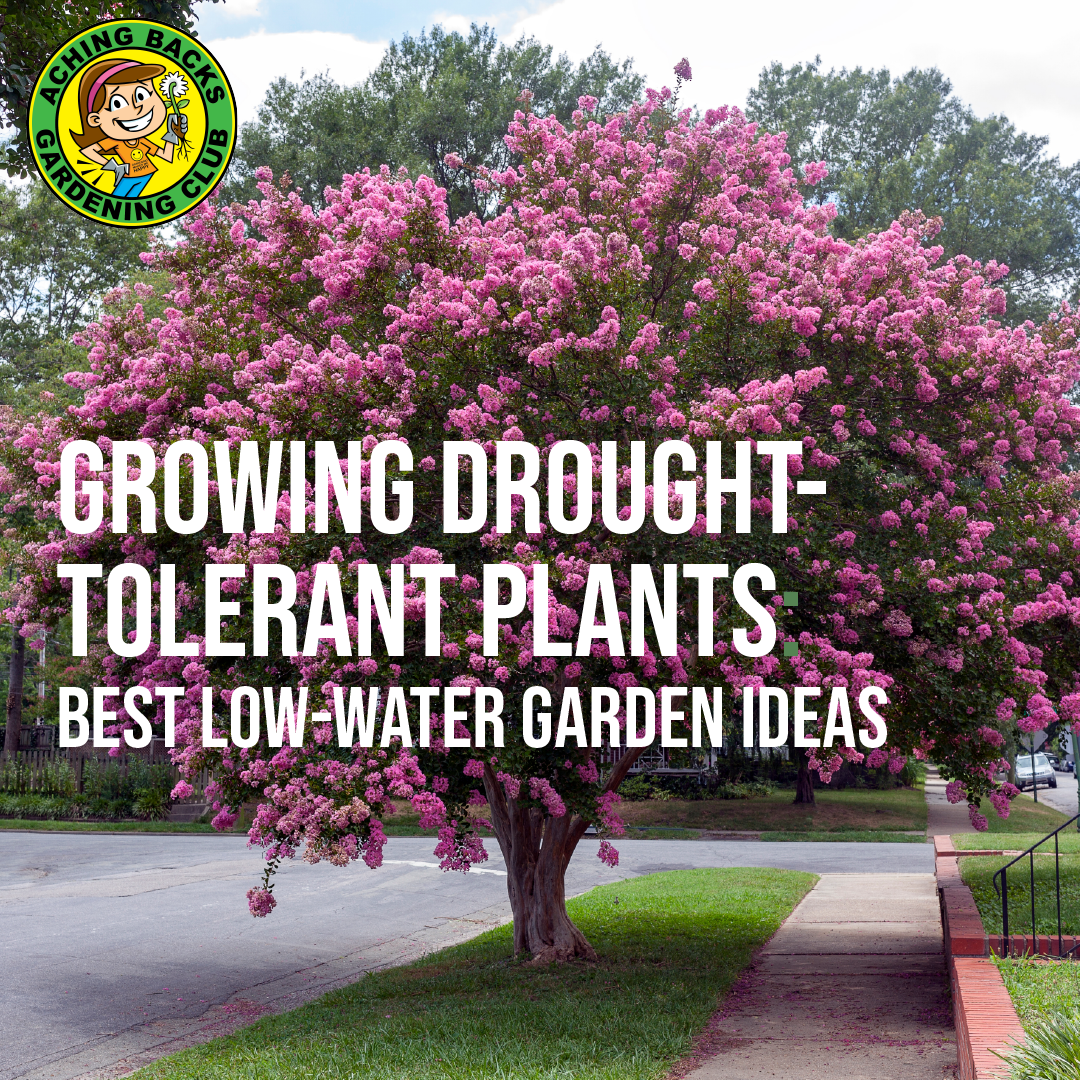
Summers seem to be getting hotter, and dry spells can put real stress on your garden.
If you’ve ever struggled to keep plants alive during long stretches of heat, one of the best solutions is choosing drought-tolerant plants. These plants are naturally adapted to survive with less water, making them a smart, low-maintenance option for many gardeners.
In this guide, we’ll walk through what drought-tolerant plants are, their pros and cons, and some of the best options to consider for your garden.
What Is a Drought-Tolerant Plant?
Drought-tolerant plants are species that have adapted to survive in hot, dry conditions with limited water.
They often have features such as:
- Deep root systems that access water below the surface
- Waxy or small leaves that reduce water loss
- Thick stems that store moisture
- Light-colored foliage that reflects sunlight
These plants are resilient and can thrive in challenging conditions, but that does not mean they require no care.
Benefits of Growing Drought-Tolerant Plants
Reduce Water Use
Drought-tolerant plants require less frequent watering, which can lower water usage and reduce utility costs.
Lower Maintenance
These plants generally need less fertilizer, pruning, and overall upkeep.
More Resilient
They handle heat, sun, and dry conditions better than many traditional garden plants.
Environmentally Friendly
Many drought-tolerant plants support pollinators and help reduce soil erosion with their deep root systems.
Considerations Before Planting
Drought-tolerant plants are not completely maintenance-free. There are a few important things to keep in mind:
They Need Water to Establish
Newly planted drought-tolerant plants still need consistent watering at first to develop strong roots.
Overwatering Can Be Harmful
Too much water can lead to root rot, especially in poorly draining soil.
Some Can Become Aggressive
Certain drought-tolerant species may spread quickly, so it’s important to choose appropriate plants for your region.
Limited Shade Options
Most drought-tolerant plants prefer full sun and may not thrive in heavily shaded areas.
Soil Matters
Well-draining soil is essential. Compacted or soggy soil can cause problems.

Best Drought-Tolerant Perennials
These plants return year after year and are reliable choices for long-term gardens:
- Lavender – thrives in heat and dry soil, fragrant and versatile
- Salvia – long blooming and loved by pollinators
- Yarrow – hardy with flat-topped flowers
- Coneflower – easy to grow and highly resilient
- Black-eyed Susan – tolerates poor soil and full sun
- Russian Sage – silvery foliage with pollinator-friendly blooms

Best Drought-Tolerant Annuals
These plants provide color for one season and perform well in heat:
- Cosmos – fast-growing and low-maintenance
- Lantana – vibrant blooms that attract butterflies
- Zinnias – bright, long-lasting flowers
- Gazania – thrives in intense sun
- Moss Rose (Portulaca) – succulent-like plant that loves dry conditions

Best Drought-Tolerant Shrubs
These shrubs provide structure and long-term landscape value:
- Crape Myrtle – colorful summer blooms
- Rosemary – fragrant and deer-resistant
- Boxwood – versatile and hardy
- Juniper – low-maintenance evergreen
- Butterfly Bush – attracts pollinators with long blooms

Best Drought-Tolerant Trees
These trees are excellent for long-term shade and resilience:
- Eastern Red Cedar – adaptable and widely tolerant
- Bur Oak – strong, drought-resistant shade tree
- Kentucky Coffeetree – tough and pollution-tolerant
- Hackberry – durable and adaptable to many conditions
Final Thoughts
Drought-tolerant plants are a smart choice for gardeners looking to reduce maintenance while still creating a beautiful and resilient landscape.
By choosing plants that work with your environment, you can spend less time worrying about watering and more time enjoying your garden.
With the right planning, your garden can thrive even during the hottest, driest parts of the season.
Enjoy this blog? Join the conversation in our Facebook Group We’d love to have you!


Leave a Reply