
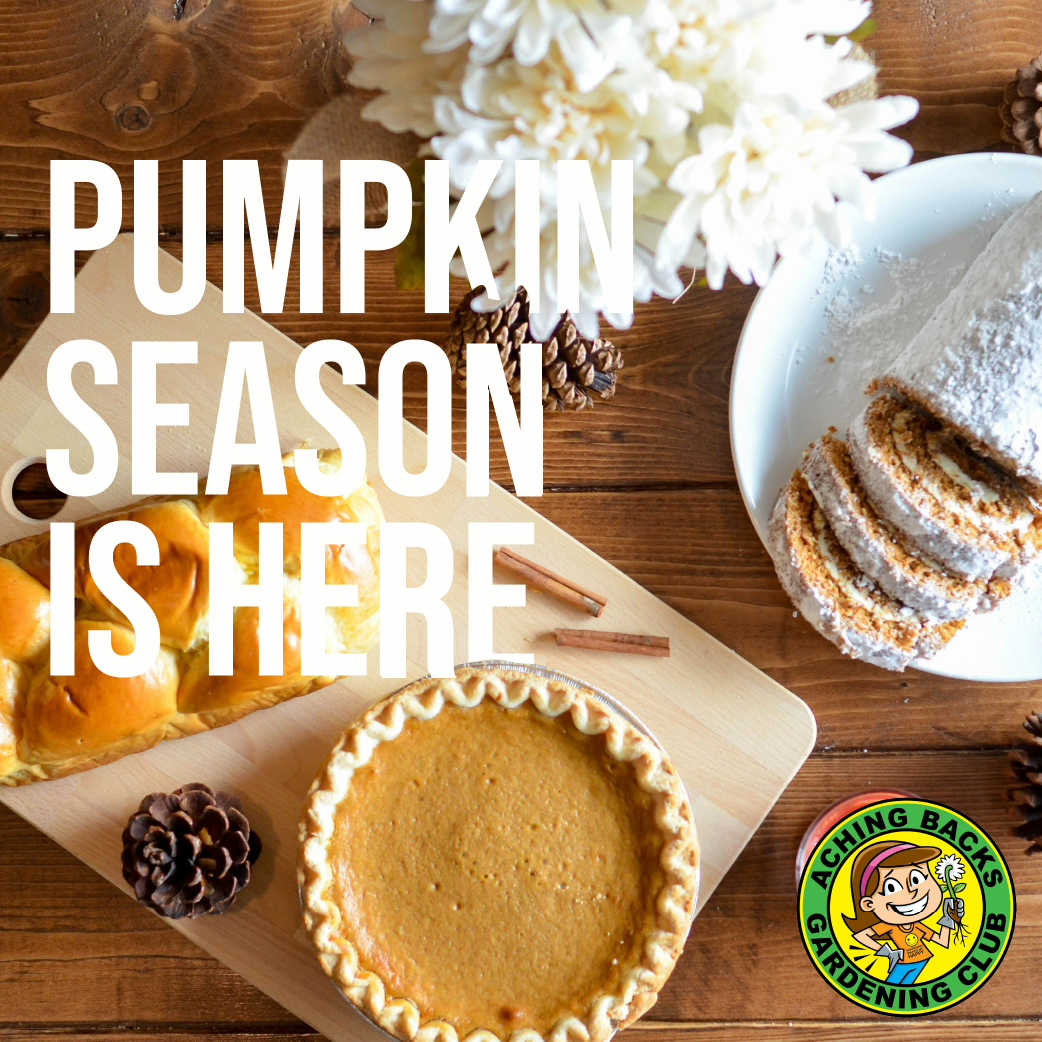
Fall is the season for everything pumpkin. You can buy pumpkin coffees, muffins, cookies, and even pumpkin ice cream. Fall is also the season for gardeners to pick and preserve their pumpkins. Even if you buy your pumpkins at a nursery or farmer’s market, you can reap the benefits. Here are suggestions for how to pick a pumpkin, bake it, and roast its seeds so that this year, your fall will truly be everything pumpkin..
How to Harvest Pumpkins from Your Garden
You’ve done the hard work of planting, watering, and weeding your pumpkin vines. They’re flourishing with beautiful pumpkins —how do you know when to harvest them? Choosing the right pumpkin could be the toughest job, because it’s not an exact science. Fortunately, there are some tried-and-true ways to tell if your pumpkins are ripe and ready to be picked.
- Color-Ripe pumpkins will be deep orange. Once your pumpkin is completely orange, it will continue to grow slowly. Some gardeners suggest picking the pumpkin early, when it’s about 90% orange so that wildlife won’t make a meal of it. Place the pumpkin on your counter, and it will continue to turn orange over the next couple of weeks. If you’ve had the problem before (and I have), it might be worth a try.
- Stem-A “woody” stem is another sign your pumpkins are ripe. The stem should be hard and brown. If the stem is soft, the pumpkin isn’t ready to be picked. Give the pumpkin more time to ripen.
- Sounds ripe-Many gardeners suggest knocking on the pumpkin to see if it’s ripe. When you tap or knock on it, you should hear a nice, hollow sound.
- Hard skin-Hard skin, but not rotted. If you put your finger on the skin and push, it should be solid, not soft.
- Vines- The vines around your pumpkin will be yellow and dying back. They’ve done their job of feeding and growing the pumpkins; now it’s time to pick them off the vine.
- No mushiness –Check your pumpkin to make sure the bottom hasn’t gone mushy, which means the pumpkin is beginning to rot.

Baking the pumpkin
For many years, our family threw away our pumpkins and jack-o’-lanterns after Halloween. One year, we donated ours to a local farm for the animals to eat. But at some point, I learned I could bake pumpkin for pies, breads, and muffins. It was a game-changer for our family. We enjoyed the process of baking and eating the pumpkin goodies.
Best Pumpkins for Baking and Cooking
Sugar or pie pumpkins are best for baking. They have sweeter flesh and a smoother texture. These tend to be the smaller ones, around eight to ten pounds, compared to the large pumpkins, which can weigh as much as ten to twenty-five pounds. The insides of sugar pumpkins aren’t as stringy.
Cleaning the pumpkin-It’s a messy job, but it’s essential to cook the pumpkin properly. First, wash the outside of your pumpkin. Then remove the stem and cut the pumpkin in half. Scrape out the insides, including the seeds, with a spoon. Don’t throw away the seeds; you can roast them later. Clean all the stringiness from the inside of the pumpkin, then cut the pumpkin in half.
How to Bake Pumpkin for Puree and Recipes – Place the cut-up pumpkin pieces on a greased baking sheet, skin side up. Bake at 275°F for one hour. It’s a slow-bake, and depending on the size of the pumpkin pieces, it could take a little less or a little more time to bake completely. Stab the flesh with a fork to check if it’s baked. It should be tender. Once the baked pumpkin has cooled, you can puree it in your food processor and store it in freezer bags or a glass container for later use. Pumpkin puree will keep in the freezer for up to six months.
How to Roast Pumpkin Seeds for a Crunchy Snack
Baked pumpkin seeds are a tradition around my house. I usually buy several pumpkins from the pumpkin patch after Halloween just for that reason. Pumpkin seeds make great crunchy snacks and are easy to make.
Ingredients
- Pumpkin seeds
- Olive oil
- Kosher salt
- Baking sheet
How to bake them.
- Scoop out the seeds from inside the pumpkin and clean them in fresh water until they are free of the stringy pulp. Spread the pumpkin seeds on paper towels to dry. Some people suggest drying them overnight, but you can bake them after they’ve dried for a couple of hours.
- Place the dried pumpkin seeds on an oiled baking sheet. Shower the seeds with olive oil and sprinkle with salt.
- Bake at 250°F for one hour. Stir the seeds every 15 minutes. You may hear some popping as the seeds bake, especially if you didn’t dry them for a long time. It’s the water being removed from the seeds.
- Take out of the oven and allow to cool.
- Once they’re cooled, store them in Ziploc bags or glass containers. They last a long time.
If you’re adventurous, try seasoning them with Old Bay or other spices.

Saving Pumpkin Seeds for Next Year’s Garden
Yes, it’s possible to use this year’s pumpkin seeds for next year’s crops. Once you’ve cleaned them, spread them out on newspaper or paper towels to dry. Allow them to dry for two weeks. Once they are completely dry, store them in a paper envelope or wax paper. Label them and put them in a dark, dry place for next year’s planting.
Pumpkin season is here, so be sure to take full advantage of it. Try baking the pumpkin and roasting pumpkin seeds so you can reap the benefits of your labor for months to come. You can also dry out the seeds and use them in your next year’s garden.
Share with us what you’ve made with your harvested pumpkins.
Continue the conversation at our Aching Backs Gardening Facebook Group — where gardeners trade advice, ideas, and a few plant fails too!


Leave a Reply