
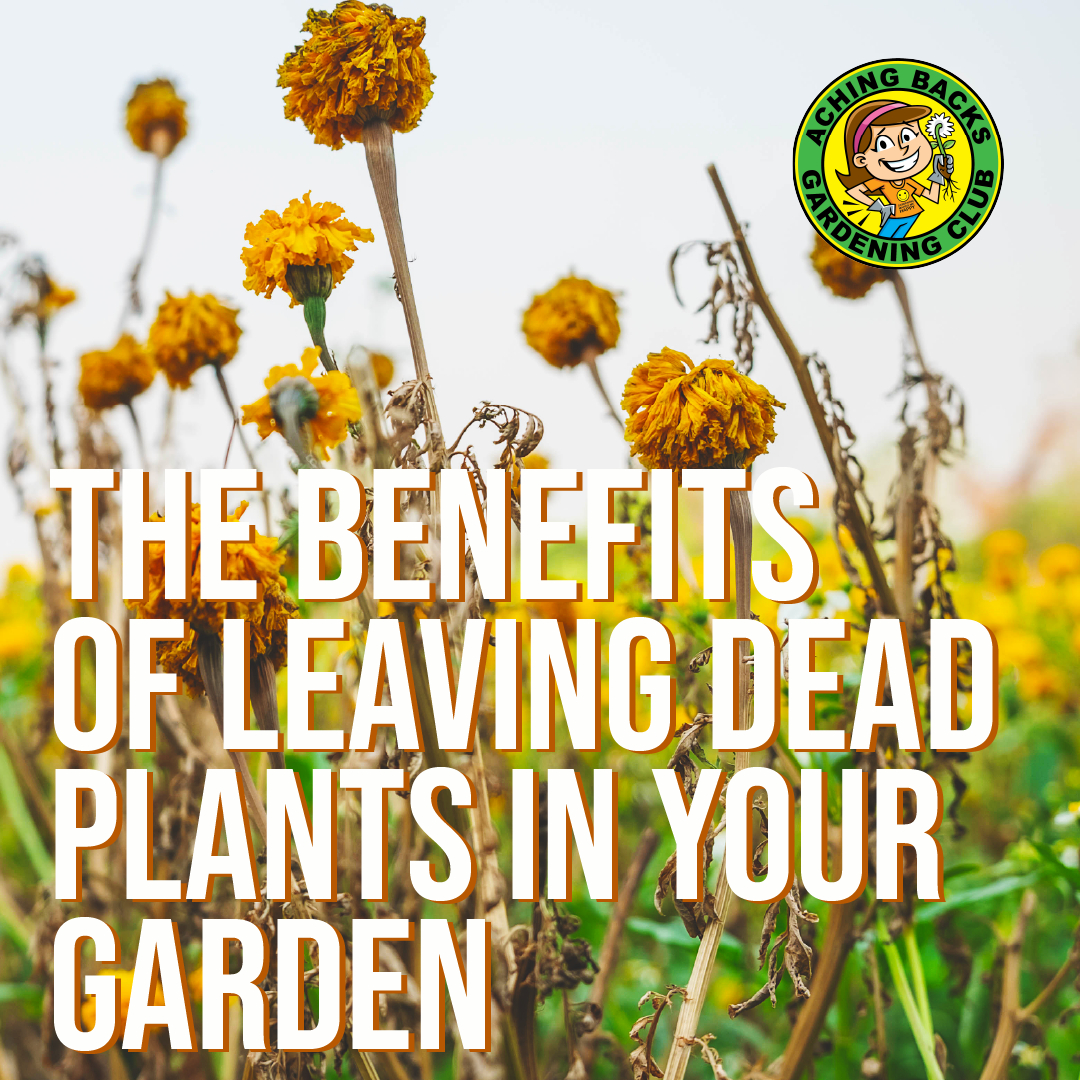
When cold weather arrives, most gardeners feel pressure to “clean up” the garden—cutting everything down, raking it out, and hauling it away. But traditional fall cleanup practices are not only labor-intensive, they’re also less beneficial to the health of your garden and the ecosystem than once believed.
Leaving dead stalks, decaying plant material, and fallen leaves exactly where they are can dramatically improve your garden’s long-term health. These natural materials build richer soil, protect habitat for native insects, and provide food for birds throughout the winter. This year, you can help nature—and save your back—simply by doing less.
Builds Healthy Soil
When old plant stems and decaying leaves remain in the garden, they add valuable organic matter to the soil. Vegetables like kale, cabbage, and chard—anything with large, leafy growth—create an especially rich layer of biomass that slowly breaks down over winter.
This natural mulch contributes carbon and nitrogen, suppresses weed growth, and feeds beneficial soil organisms. Healthy soil thrives on organic matter, which boosts nutrient levels and supports strong, vibrant plants come spring.
Keeping soil covered with leaves or plant debris also shields beneficial microbes, fungi, and insects that live just below the surface. When we protect these organisms, we’re sustaining the living network that makes nutrient-dense soil possible.
Of course, diseased or pest-infested plants should still be removed to prevent issues next season. But healthy plants can—and should—be left to decay naturally, just as they do in the wild.

Supports Native Insects
One of the most important reasons to leave dead plant material in your garden is to support native insects. Many beneficial insects and pollinators overwinter in hollow stems, leaf litter, or the top layer of soil.
- Native bees and fireflies burrow into leaves and soil.
- Butterflies overwinter in chrysalids hidden among stalks or fallen leaves.
- Praying mantises attach oothecae (egg sacs) to stems that remain standing through winter.
With insect populations declining worldwide due to habitat loss, pollution, pesticides, and climate shifts, providing even a small patch of undisturbed habitat can make a meaningful difference. According to the University of Florida’s Thompson Earth Systems Institute, insects form the foundation of the food web—and most plants, birds, bats, and even humans depend on them.
Leaving old stems, leaves, and decaying material in place is one of the simplest, most powerful ways to support insect conservation.

Provides Food for Native Birds
Dead plants also support another essential group of garden allies: birds. Winter is a challenging season for wildlife, and many birds depend on insects hiding in leaf litter as well as seeds lingering in dried flower heads.
Because habitat loss threatens native bird populations, offering natural garden resources is hugely beneficial—especially during the cold months. By leaving dead plants, seed heads, and leaf litter in your garden, you create a mini-refuge that supports birds when food is scarce.

Gardening the Way Nature Intended
All of these benefits—building healthy soil, supporting insects, and feeding birds—reflect the simple truth that gardens thrive when we work with nature instead of against it.
Dead plants and decaying leaves aren’t a mess—they’re part of the ecosystem. They nourish the soil, shelter wildlife, and keep natural food webs functioning.
This year, consider setting aside the rake and shears. Embrace a bit of neglect. Your back will thank you, and the soil, insects, and birds will thank you too.
Enjoyed this post? Join the conversations happening inside our Aching Backs Gardening Facebook Group — where gardeners trade advice, ideas, and a few plant fails too!


Leave a Reply