
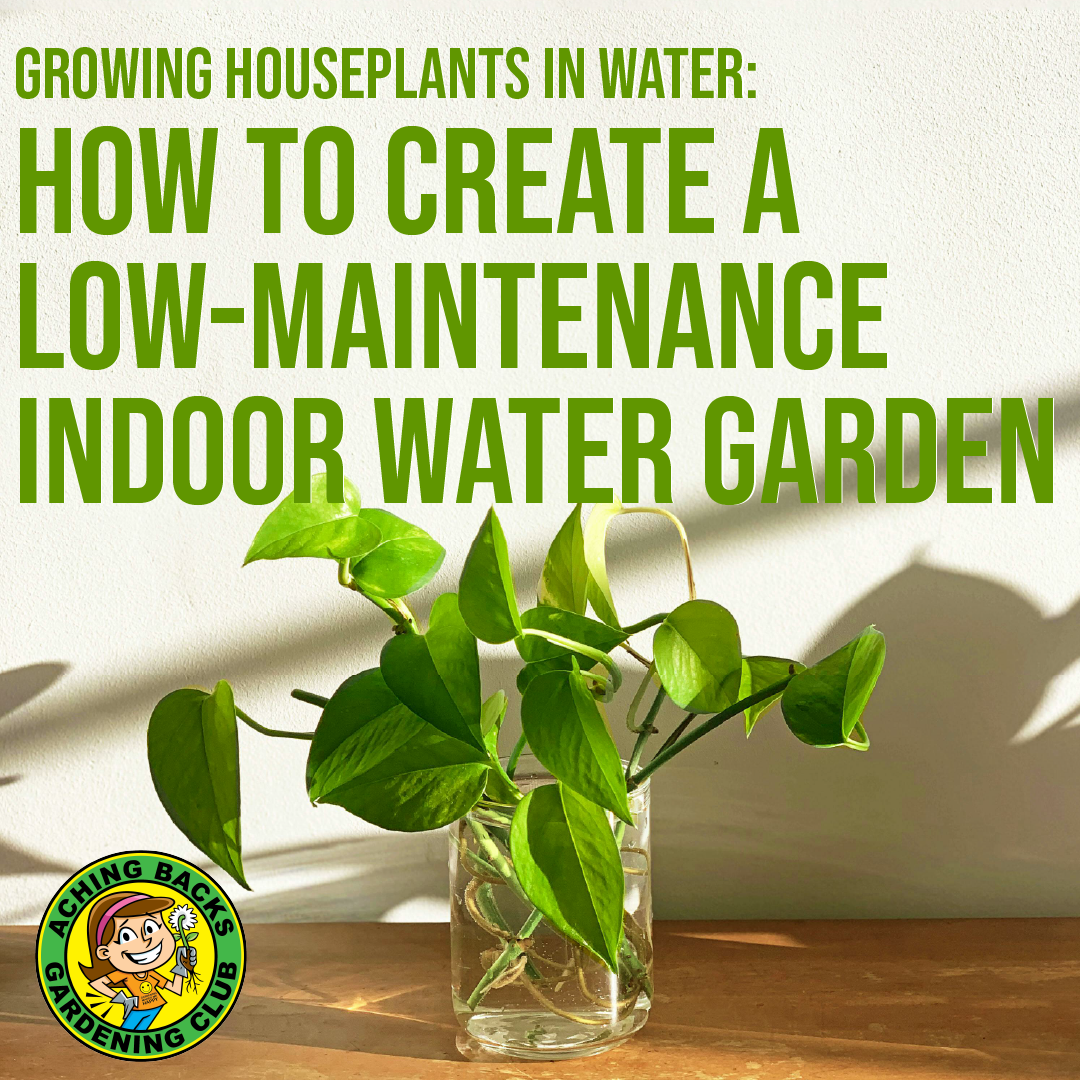
Many people struggle with keeping indoor plants alive, often due to inconsistent watering habits. A simple and surprisingly effective solution is growing houseplants directly in water. Unlike temporary water propagation, this method allows houseplants to live full-time in water-filled containers. It is clean, low-maintenance, and ideal for anyone who prefers an easy approach to indoor gardening.
Below is a guide to the best containers, the most reliable plants to grow in water, and the benefits of adopting this soil-free method.
What Types of Containers Work Best?

Almost any container can work, but clear glass options tend to be the most successful. Glass allows for easy monitoring of root growth and water clarity. Common choices include:
- Mason jars
- Recycled pickle or spaghetti jars
- Tall glass tubes
- Clear coffee mugs
- Shallow bowls
- Vases or goblets
- Olive jars
- Glass milk bottles
As long as the container is clean and provides enough space for roots to expand, it can serve as a functional water planter.
Best Houseplants to Grow in Water
Philodendron
A classic houseplant with heart-shaped leaves and trailing vines. It grows well in distilled water and prefers bright, indirect light. Water should be changed every couple of weeks, and a small amount of liquid fertilizer can be added periodically. (Toxic to pets and children.)
Lucky Bamboo
This popular houseplant is easy to maintain in distilled or filtered water. It can be grown in jars or shallow bowls with stones at the bottom and thrives in medium light.

English Ivy
Although considered invasive outdoors, English ivy is a beautiful indoor plant that grows readily in water. Its cascading vines work well on shelves or hanging containers. Indirect sunlight or a plant light is ideal.
Spider Plant
Spider plant offshoots root quickly in water and often produce additional “baby” plants. They thrive in indirect light and benefit from occasional hydroponic fertilizer.
Pothos
Known for its fast growth and colorful variegated leaves, pothos is an excellent water-grown option. It performs well in indirect light or under fluorescent lights. (Toxic to pets and children.)
Resurrection Ferns
Some ferns—including types referred to as “resurrection ferns”—can be grown in shallow water dishes. They absorb nutrients from the air and do well in indirect light.
Begonia
With thick stems and glossy purple-green leaves, begonias can be grown in water as long as they are placed in bright, indirect light. (Toxic to pets and children.)
African Violets
These plants can be grown in water when the stem is placed in a long-necked bottle, allowing the leaves to stay dry. They prefer indirect light and require regular water changes.
Inch Plant (Tradescantia)
This fast-growing plant roots readily in water. Remove lower leaves so the stem can sit in the water, and place it in a sunny location. Monthly liquid fertilizer is recommended.
Peace Lily
Peace lilies can grow in water when their base is supported with stones to keep foliage above the water line. They prefer indirect light and occasional fertilization.
Benefits of Growing Houseplants in Water
- Low Maintenance – Eliminates concerns about overwatering or underwatering. Only periodic water changes and occasional fertilizer are needed.
- Space Efficient – Water-grown plants often require less room than traditional pots.
- Affordable Containers – Recycled glass jars or bottles work perfectly.
- Clean and Attractive – No soil spills or mess, and clear containers showcase the beauty of roots and vines.
- Reduced Pest Problems – Soil-borne pests and fungal issues are far less common.
- Minimal Tools Required – No potting soil, trowels, or special equipment—just a container and water.
Growing houseplants in water can be an elegant, effective, and low-effort way to enjoy indoor greenery. Many varieties adapt quickly to water culture and offer long-lasting beauty with minimal upkeep.
Enjoyed this post? Join the conversations happening inside our Aching Backs Gardening Facebook Group — where gardeners trade advice, ideas, and a few plant fails too!


Leave a Reply