
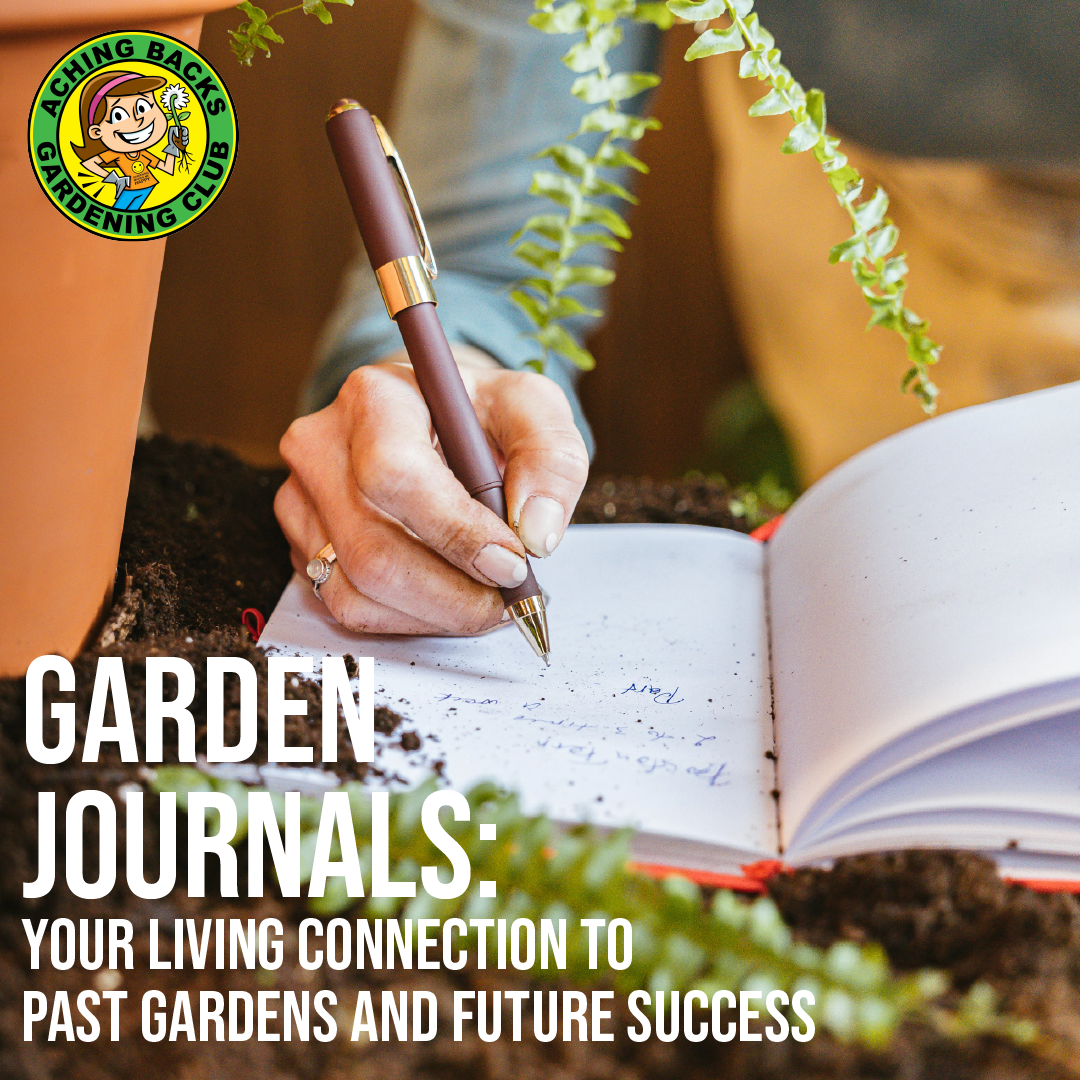
Many gardeners never think about creating a yearly garden journal, yet it can be one of the most helpful tools when planning the next growing season. Why take the time to record anything at all? The answer is simple: human memory is unreliable. This is often why beginning gardeners struggle to move from “good intentions” to truly successful gardening. Without a record of what worked—and what didn’t—it’s easy to repeat the same mistakes year after year.
What Is a Garden Journal?
A garden journal can take many forms. Some gardeners enjoy putting pen to paper, which often helps reinforce information. Others prefer digital notes, apps, or spreadsheets. Some use a combination of both. There is no right or wrong choice—the best garden journal is the one you will actually use.
What Should You Document?
Start with your garden space. This includes in-ground beds, raised beds, containers, and patio planters. Sketch a simple map and mark:
- Where the sun rises
- Shadow patterns
- Areas of full sun, partial shade, and shade
- Any problem spots, like standing water
After planting, update your map and create a detailed list of what went into the garden. Be specific. Instead of writing “peppers” or “lettuce,” record each variety, the date planted, and where you purchased it.

Documenting Through the Season
Throughout the growing season, make notes about plant performance.
- Did they grow well?
- How was the flavor, if you’re growing edibles?
- What were the strengths and weaknesses of each variety?
Also jot down weather conditions. Extreme heat, unusual rainfall, late frosts, or drought can explain why some plants underperformed—even when your care was excellent.
Why Photos Matter
Photos add an important visual layer to your journal. They show layout, spacing, growth habits, and progress over time. They also capture the people who enjoyed the garden with you—spouses, children, or grandchildren—which can make your journal a meaningful keepsake.
An Optional but Fun Addition: Recipes
One unique element you can add is your favorite seasonal recipes, especially if you grow edibles. Including recipes completes the journey from seed to harvest to table, all in one place.

A Garden Journal as a Legacy
A garden journal is more than a record—it can become a legacy. It allows future gardeners in your family or community to learn from your successes, your challenges, and the experiences that shaped your garden. It connects your future gardens to the past and preserves the knowledge you’ve gathered along the way.
Enjoyed this post? Join the conversations happening inside our Aching Backs Gardening Facebook Group — where gardeners trade advice, ideas, and a few plant fails too!


Leave a Reply