
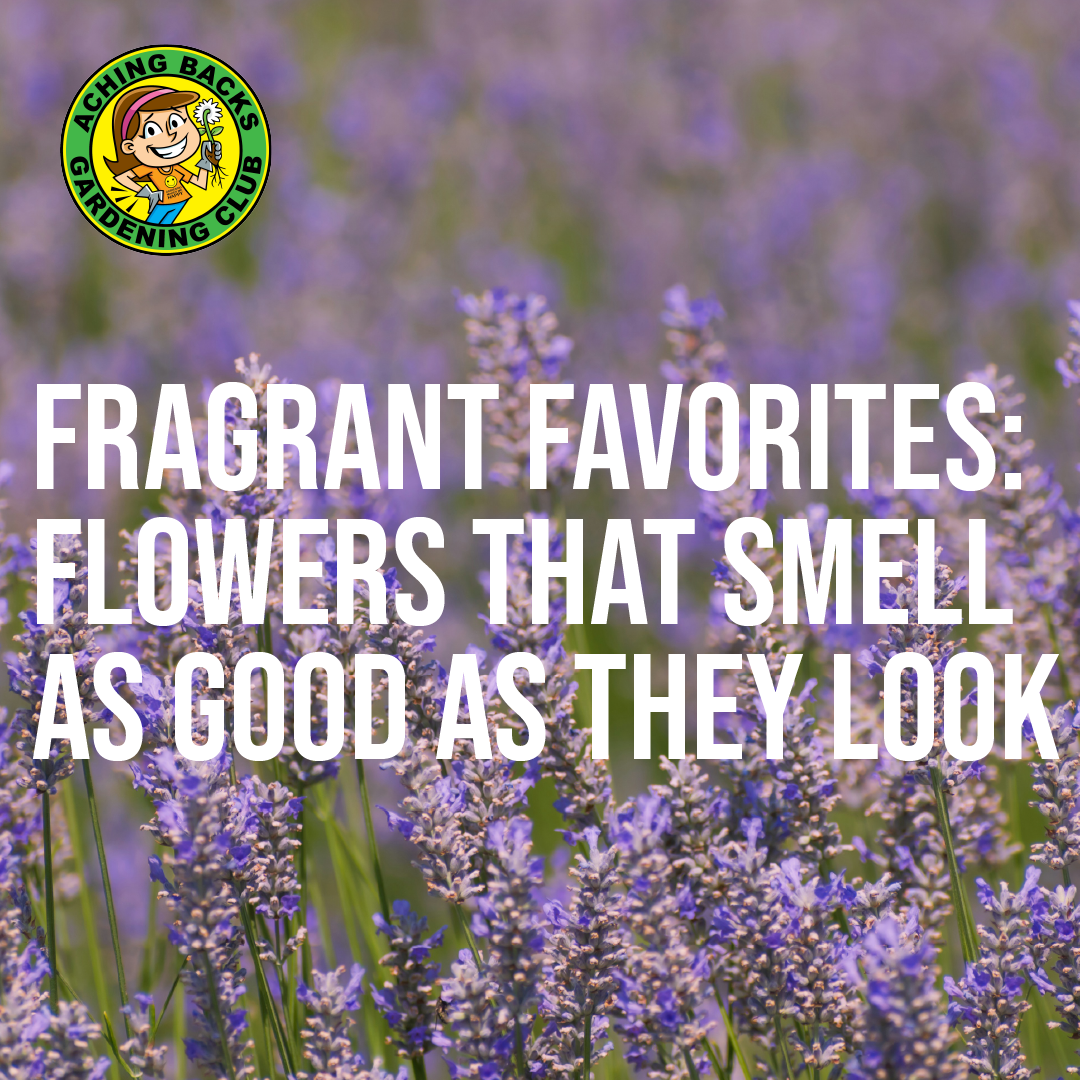
Fragrant Favorites: Flowers That Smell as Good as They Look
One element that is sometimes overlooked in garden design is the sense of smell. Many gardeners choose flowers based on color and form, but including fragrance turns a garden into a truly sensory experience—one that invites you and your guests to slow down and linger.
You don’t need a large estate or expansive landscape to enjoy fragrant plants. The key is working with the space you have and selecting varieties that fit your personal gardening style and environment.
Why Fragrance Matters in the Garden
To understand the importance of fragrance, think about the kitchen. The smell of apple pie or cookies baking can instantly transport you back to childhood memories. Scents are powerful—they evoke emotions, spark memories, and encourage us to pause and enjoy the moment.
This is just as true in the garden. Aroma can gently guide you through a space, creating moments of calm and reflection.
Fragrance also plays an important role in nature. Many plants use scent to attract pollinators such as bees, moths, and butterflies. Encouraging these visitors not only supports pollination but also helps create a healthier, more balanced garden ecosystem.
Top Fragrant Flowers to Grow
Roses
When people think of roses, they often assume all roses are fragrant—but many modern florist varieties have little to no scent. For a true sensory experience, choose heirloom or old-fashioned roses, such as ‘Double Delight.’
Plant roses in full sun with well-draining soil to get the best blooms and fragrance.

Lavender
Lavender is prized for its calming aroma and versatility. It thrives in sandy or rocky soil with excellent drainage and requires little care once established.
English lavender offers a softer, delicate scent, while French lavender provides a stronger fragrance. Choose the variety that best suits your sensory preferences.

Jasmine
If you want to enjoy fragrance in the evening, jasmine is an excellent choice. Its sweet perfume intensifies at dusk, making it perfect for planting near porches, patios, or garden seating areas.
Train jasmine on vertical supports to highlight both its form and scent.

Gardenia
Gardenias are known for their creamy blooms and intense fragrance. Even a single flower can fill a space with aroma.
They do require some extra care, preferring slightly acidic, well-drained soil and consistent humidity. In cooler climates, gardenias may need protection or container growing.

Sweet Peas
Sweet peas are a cool-season favorite that make excellent use of vertical space. Their colorful blooms and sweet scent shine in spring.
Harvest flowers often to encourage continuous blooming before warm temperatures arrive.

Lilac
Lilacs are often synonymous with the scent of spring. Their lavender, white, or pink flowers fill the air with a familiar and beloved aroma.
Once established, lilacs are low-maintenance but do require full sun and plenty of space to grow.

Designing a Fragrance-Focused Garden
Designing with fragrance requires thinking about location and timing. Consider where you want to experience scent—near an entryway, along a garden path, or beside a seating area.
Timing matters too. Roses and lavender offer daytime fragrance, while jasmine shines in the evening. Balance is also important. Too many strong scents blooming at once can overwhelm the senses. Instead, layer fragrances and stagger bloom times so each plant has its moment.
A Garden for All the Senses
Gardens are often designed to be visually beautiful, but when scent is included, the experience becomes far more memorable. Fragrance adds depth, emotion, and discovery—inviting you to wander, pause, and fully engage with your garden.
By thoughtfully incorporating aromatic plants, you create a space that delights not just the eyes, but the senses as a whole.


Leave a Reply