
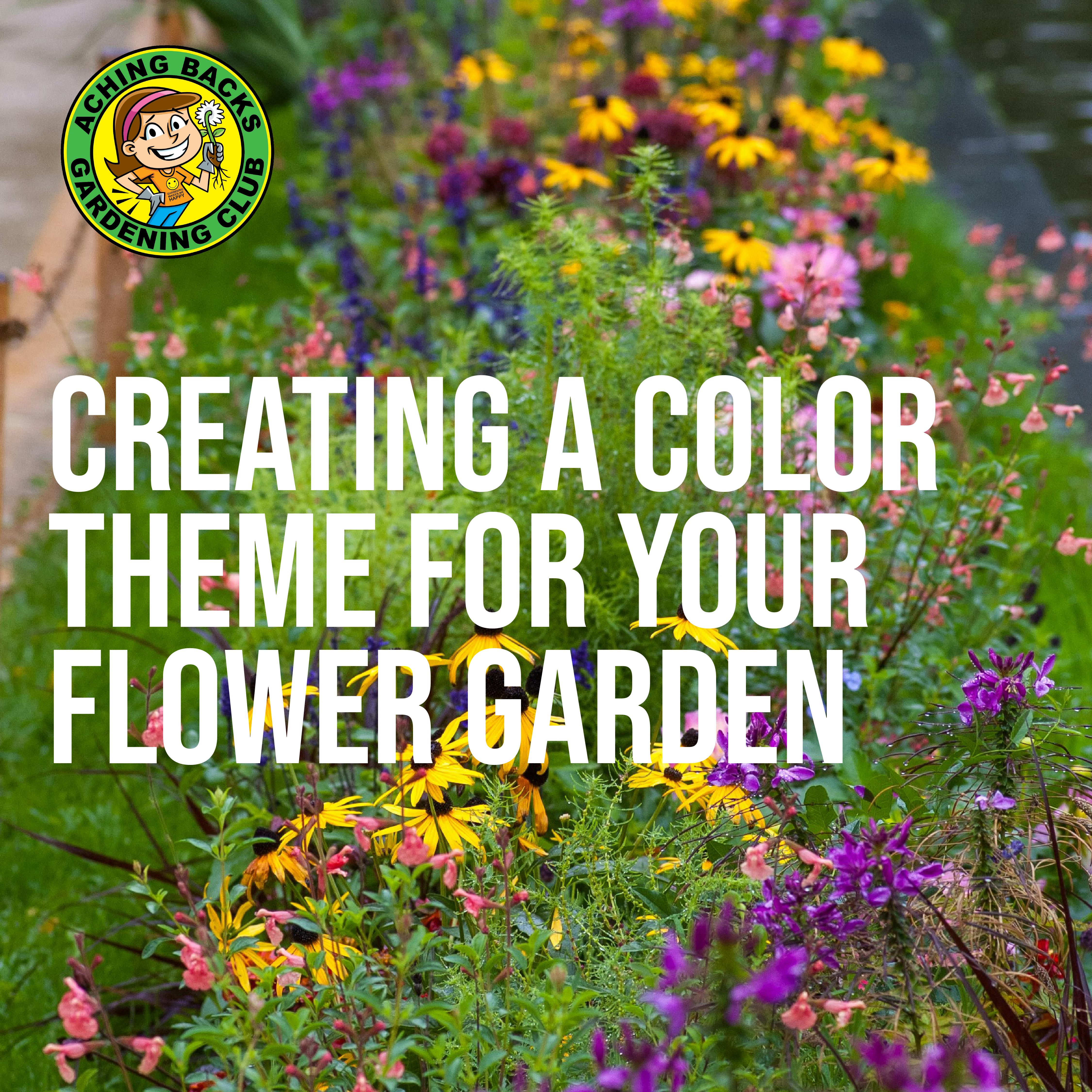
If you’ve been keeping a garden journal, you may already have more insight into your flower garden than you realize. Notes about what you planted, what thrived, and how your garden made you feel throughout the season are invaluable when it comes to thoughtful design.
While many gardeners don’t consciously plan the color theme of their garden, color is one of the most important elements of flower garden design. Without intention, a garden can easily become a collection of colors with no rhythm or cohesion.
A simple way to evaluate your garden is to ask yourself one question: How does my garden make me feel? If the answer isn’t clear, it may be time to use what you’ve recorded in your garden journal—and a bit of planning—to bring purpose and personality to your flower garden.
The Power of Color in the Garden
In the past, it was common to carry indoor color schemes into outdoor spaces. This trend was especially popular in the 1970s, when outdoor furniture and coordinated décor became widely available. Today, garden spaces are designed differently.
The goal of a flower garden or outdoor living area is not to match your living room—it’s to create a space that feels comfortable, welcoming, and restorative. To do that, it helps to understand how color affects mood and emotion.
Color has the power to energize, calm, and even evoke memories. When used thoughtfully, it helps turn a garden into a place you want to spend time in rather than simply admire from a distance.
Start With a Garden Vision
Before choosing plants, take a moment to decide how you want your garden to feel. Do you imagine it as:
- Romantic
- High energy
- Calm and retreat-like
Each of these moods naturally lends itself to a different color palette.
Romantic gardens often feature soft, muted shades of purple, pink, and blue, paired with lush foliage.
High-energy gardens rely on bold, vibrant colors across the spectrum.
A retreat-style garden is typically grounded in many shades of green, with small touches of muted color used sparingly.
Once you’ve identified the feeling you want to create, the color wheel becomes a helpful planning tool.


Color Wheel Basics
The color wheel offers three main approaches to combining color:
- Complementary colors sit opposite each other on the wheel and create contrast and drama.
- Analogous colors sit next to each other and create harmony and flow.
- Monochromatic designs use variations of a single color for a cohesive, calming effect.
Beyond these groupings, colors can also be categorized by temperature.
Warm, Cool, and Neutral Colors
Warm colors—such as reds, oranges, and yellows—tend to feel energetic and inviting. These colors work well near entrances, patios, or seating areas where you want to create intimacy and excitement.
Cool colors, including blues, purples, and greens, visually recede and can make a garden feel larger and more relaxed. These are ideal for background plantings or spaces meant for quiet reflection.
Neutral colors, such as white, gray, and soft greens, act as connectors. They help transition between stronger colors and bring balance to the garden design.
Tips for Building a Cohesive Flower Garden
Start by choosing a base color that appears throughout your garden. This creates visual continuity. For example, varying shades of blue can establish a calming foundation for your design.
Next, select one or two accent colors. Analogous colors will maintain harmony, while complementary colors add drama and contrast.
Use stronger colors sparingly to highlight focal points, such as entrances, pathways, or seating areas. Strategic splashes of gold, magenta, or deep purple can gently guide the eye through the space.
The Role of Foliage
Foliage is often overlooked, but it plays a critical role in garden design. Leaves provide both color and texture, acting as a backdrop that allows flowers to stand out.
Different shades of green, along with varied leaf shapes and textures, add depth and interest even when flowers are not in bloom. Foliage can also extend seasonal appeal, ensuring the garden remains visually engaging beyond peak flowering periods.

Layering for Seasonal Interest
To get the most from your flower garden, plan for layers throughout the growing season.
Spring bulbs bring early color and excitement.
As bulbs fade, summer perennials take center stage with vibrant blooms and textures.
Autumn foliage and fall-blooming perennials carry the garden through the end of the season.

With thoughtful planning and the guidance of the color wheel, your flower garden can evolve into a space that feels intentional, balanced, and deeply satisfying.
Enjoy this blog? Join the conversation in our Facebook Group We’d love to have you!


Leave a Reply