
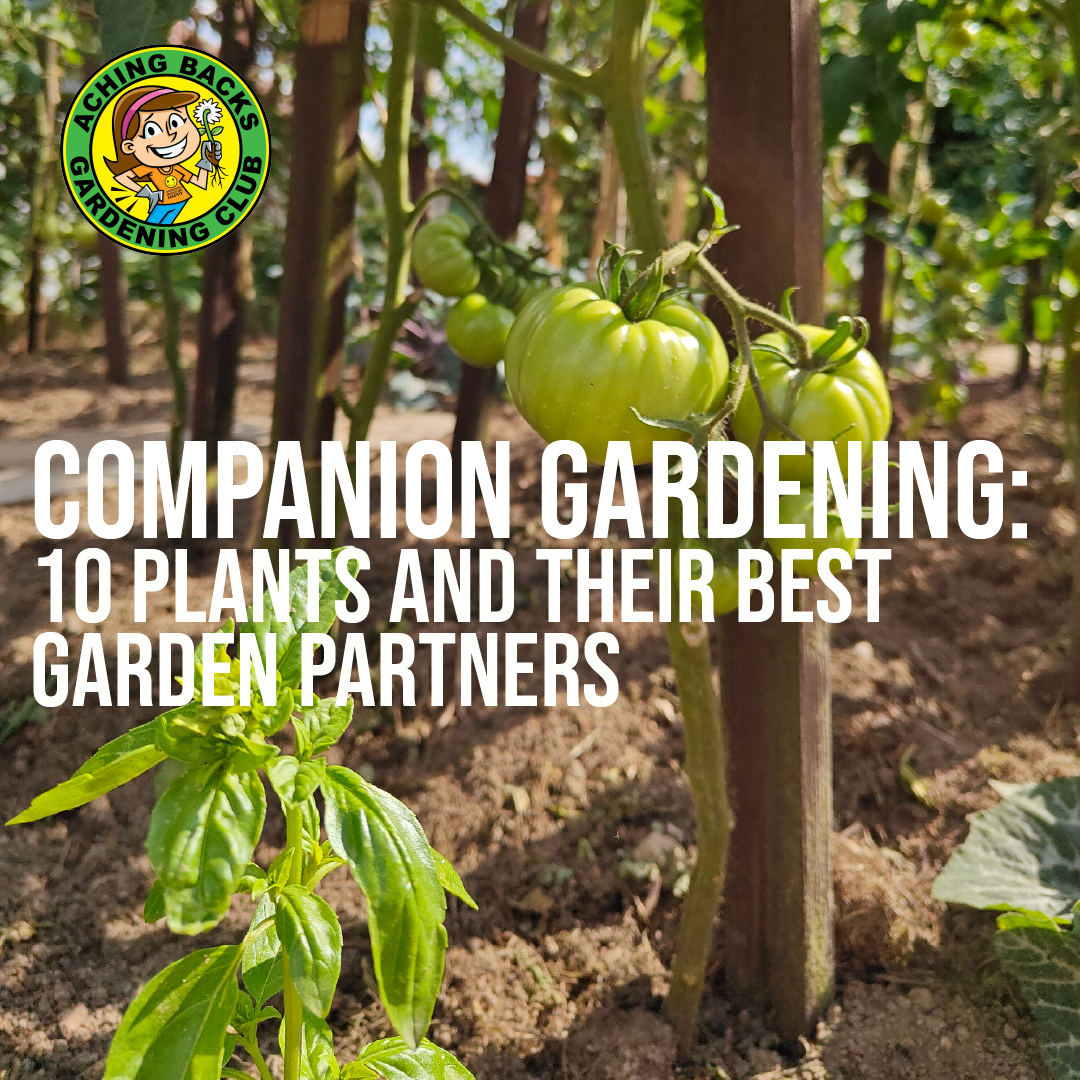
Companion gardening is one of those time-tested gardening practices that feels almost too simple to be true. By thoughtfully grouping certain plants together, gardeners can improve soil health, attract beneficial insects, boost plant growth, and naturally deter pests, all without chemicals or extra work.
If you are looking for a more sustainable and body-friendly way to garden, companion planting is a great place to start. It encourages better planning, reduces problem-solving later in the season, and helps your garden work with you instead of against you. Below are ten common garden plants and their best companions to help you build a healthier, more productive garden this year.
1. Tomatoes
Tomatoes are one of the most popular garden plants, and they benefit greatly from good companions.
Best companions:
- Basil improves tomato flavor and helps repel pests.
- Marigolds deter nematodes that attack tomato roots.
- Nasturtiums attract aphids away from tomatoes.
- Garlic and onions repel spider mites and beetles.
Vegetable companions:
- Carrots improve soil structure.
- Peppers provide light shade.
- Lettuce helps retain soil moisture.
- Asparagus and tomatoes protect each other from common pests.
2. Potatoes
Potatoes are heavy feeders and benefit from companion plants that repel insects and improve soil health.
Best companions:
- Herbs like basil, thyme, cilantro, and chives repel beetles and aphids.
- Beans and peas improve soil nitrogen.
- Cabbage, corn, lettuce, onions, and radishes support healthy growth and maximize garden space.
Strong-smelling herbs also attract beneficial insects such as ladybugs and parasitic wasps.
3. Carrots
Carrots grow best when paired with plants that deter pests and do not compete for deep soil space.
Best companions:
- Alliums like garlic, onions, leeks, and chives repel carrot flies.
- Leafy greens such as spinach, kale, and lettuce provide shade without competing for root space.
- Radishes loosen the soil for better root growth.
- Beans and peas add nitrogen to the soil.
- Herbs like rosemary, oregano, and sage repel pests.
4. Peppers
Peppers enjoy companions that improve soil conditions and protect them from insects.
Best companions:
- Basil improves flavor and deters spider mites.
- Chives and onions repel insects.
- Rosemary and oregano provide pest control and ground cover.
Flower companions:
- Marigolds, nasturtiums, and calendula attract pollinators and repel aphids and nematodes.
5. Cucumbers
Cucumbers need nitrogen early in their growth and benefit from plants that attract pollinators.
Best companions:
- Beans, peas, and lentils supply nitrogen.
- Sunflowers act as living trellises.
- Nasturtiums and marigolds deter pests.
Herb companions:
- Dill, oregano, chives, and tarragon attract beneficial insects and improve cucumber health.
Root crops like carrots and radishes also help maximize space around cucumbers.
6. Lettuce
Lettuce prefers cooler conditions and benefits from companions that provide shade and moisture retention.
Best companions:
- Tall plants such as tomatoes, corn, or eggplant provide shade.
- Beets, carrots, radishes, garlic, and onions help deter pests.
- Peas and beans improve soil nitrogen and offer light shade.
Herbs and extras:
- Chives repel aphids and slugs.
- Dill and thyme attract beneficial insects.
- Strawberries act as ground cover to conserve moisture.
7. Squash
Squash plants grow well in traditional companion planting groupings.
Best companions:
- Corn provides shade and support.
- Beans and peas enrich the soil with nitrogen.
Herbs and flowers:
- Dill attracts pollinators.
- Mint deters flea beetles.
- Garlic and basil help repel insects.
- Marigolds and nasturtiums deter squash bugs.
8. Cabbage
Cabbage attracts many common garden pests, making companions especially important.
Best companions:
- Onions, garlic, and chives repel insects.
- Calendula, marigolds, pansies, and nasturtiums deter pests.
- Beets, celery, and carrots improve flavor and soil conditions.
Herbs:
- Chamomile, rosemary, sage, and thyme attract beneficial insects and improve plant health.
9. Beans
Beans are excellent soil builders and pair well with many vegetables.
Best companions:
- Corn benefits from nitrogen added by beans.
- Squash, carrots, potatoes, cabbage, and tomatoes all grow well nearby.
Herbs:
- Rosemary and oregano repel insects.
- Dill, catnip, and chamomile attract beneficial insects.
10. Watermelon
Watermelons rely heavily on pollinators and benefit from companion plants that attract them.
Best companions:
- Lavender, cosmos, sunflowers, marigolds, and calendula attract bees and butterflies.
- Corn and okra act as living trellises.
- Garlic and onions repel slugs and pests.
- Lettuce provides shade and helps retain soil moisture.
Planning Your Garden with Companion Planting in Mind
Companion gardening works best when paired with thoughtful planning. Mapping out your garden space ahead of time allows you to group compatible plants together, reduce unnecessary movement during the season, and create a more manageable garden layout. This approach is especially helpful for gardeners looking to conserve energy, protect their backs, and enjoy a smoother growing season.
By letting plants support each other naturally, you can grow a healthier garden with less effort, fewer chemicals, and more enjoyment all season long.


Leave a Reply